

The Ultimate Guide to Achieving a V Shape with a Big Back and Slim Waist
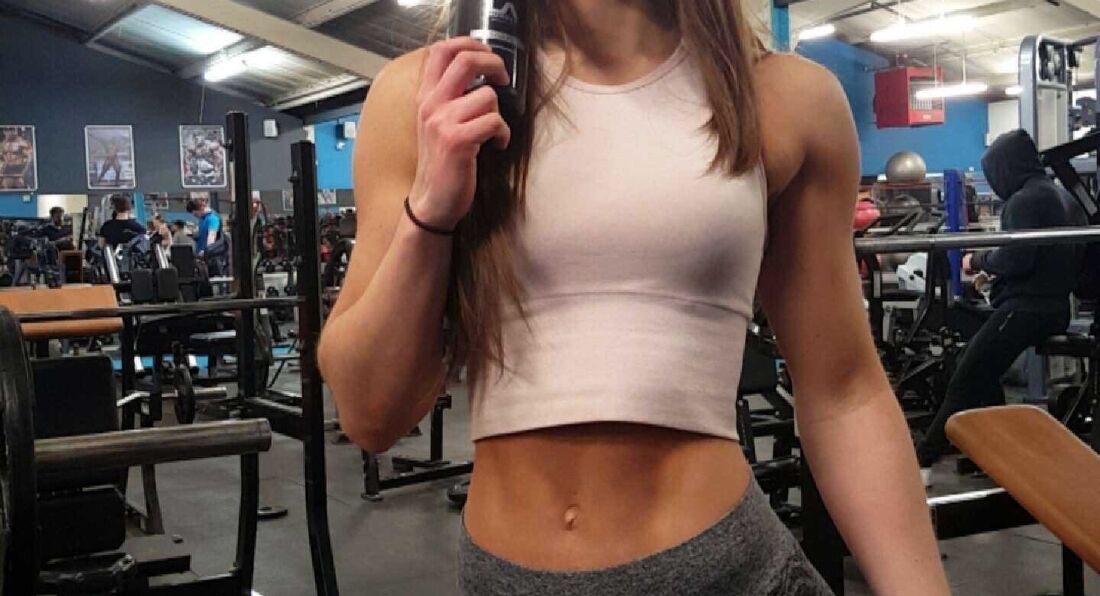
A V-shaped physique is a hallmark of strength and athleticism, characterized by broad shoulders, a wide back, and a narrow waist. Achieving this look takes a combination of focused training, strategic dieting, and smart exercise selection. Here’s a comprehensive guide to help you build a big back and slim waist to get that ultimate V shape.
1. Understanding the V Shape
The “V shape” primarily emphasizes:
- Wide Lats and Shoulders: To create width at the top of your body.
- Small Waist: To accentuate the upper body’s width by making your waist appear slimmer.
Achieving this requires a balance between building muscle in key areas (lats, shoulders) and reducing body fat, especially around your midsection.
2. Training for a Wide Back
Your back muscles, specifically the latissimus dorsi (lats), are key for building a wide back. Here are the best exercises to target and grow this area.
a. Lat Pulldown
- Sets: 3–4
- Reps: 10–12
- Tips: Use a wide grip to target the upper lats. Focus on the contraction by squeezing your lats at the bottom of each rep.
b. Pull-Ups/Chin-Ups
- Sets: 3–4
- Reps: 8–10 (add weight if necessary)
- Tips: Pull-ups are excellent for building width. If bodyweight pull-ups are challenging, use an assisted pull-up machine or bands.
c. T-Bar Row
- Sets: 3–4
- Reps: 10–12
- Tips: Keep your torso at about a 45-degree angle. Drive your elbows back to activate your lats.
d. Seated Cable Row
- Sets: 3–4
- Reps: 10–12
- Tips: Use a neutral or wide grip, keeping your back straight and squeezing your shoulder blades together.
e. Single-Arm Dumbbell Row
- Sets: 3–4
- Reps: 10–12 per arm
- Tips: Maintain control throughout each rep, focusing on contracting your lats with each pull.
3. Building Broad Shoulders
To enhance the V-shape, your shoulders need to appear wide and rounded, which comes from strengthening your deltoid muscles.
a. Overhead Press
- Sets: 3–4
- Reps: 8–10
- Tips: This compound lift targets the front and side deltoids. Use a barbell or dumbbells, and keep the reps controlled.
b. Lateral Raise
- Sets: 3–4
- Reps: 12–15
- Tips: For a great shoulder pump, keep the movement slow and controlled, emphasizing the side delts.
c. Rear Delt Fly
- Sets: 3–4
- Reps: 12–15
- Tips: Focus on the rear delts by keeping your arms slightly bent and squeezing your shoulder blades together.
4. Slimming the Waist
A slimmer waist is essential to emphasize the V shape. Achieving a slim waist involves both strengthening core muscles and reducing body fat.
a. Hanging Leg Raise
- Sets: 3–4
- Reps: 12–15
- Tips: Keep the movement slow and controlled to fully engage the lower abs. Avoid swinging.
b. Russian Twist
- Sets: 3–4
- Reps: 15–20 per side
- Tips: Hold a weight or medicine ball to increase difficulty. This exercise targets your obliques, helping to create a lean waistline.
c. Plank Variations
- Sets: 3–4
- Duration: 30–60 seconds
- Tips: Incorporate side planks to target obliques.
d. Cable Woodchoppers
- Sets: 3–4
- Reps: 10–12 per side
- Tips: Use a moderate weight, and focus on the rotational movement to engage the obliques.
5. Cardio for Fat Loss
Reducing body fat will enhance the appearance of a narrow waist. Implement regular cardio, aiming for 3–4 sessions per week of:
- High-Intensity Interval Training (HIIT): 20–30 minutes of intense interval sessions for fat-burning.
- Low-Intensity Steady State (LISS): 30–45 minutes of brisk walking or cycling can be effective for steady-state cardio.
6. Diet for the V Shape
Diet plays a significant role in reducing body fat and building muscle. Here’s a guideline:
a. Focus on Protein
- Aim for 1.2 to 1.6 grams of protein per kilogram of body weight.
- Good Sources: Chicken, lean beef, fish, eggs, beans, and tofu.
b. Caloric Deficit for Fat Loss
- Maintain a mild caloric deficit if fat loss is the goal.
- Avoid extreme caloric restrictions, which may hinder muscle growth.
c. Healthy Fats and Carbohydrates
- Fats: Include sources like olive oil, nuts, and avocados.
- Carbohydrates: Opt for complex carbs such as oats, sweet potatoes, and brown rice for sustained energy.
d. Timing and Hydration
- Have a balanced meal within an hour after your workout to aid in recovery.
- Hydrate adequately throughout the day, aiming for at least 8 cups of water.
7. Sample Weekly Workout Plan
Day 1: Back & Shoulders
Day 2: Core & Cardio
Day 3: Rest
Day 4: Back & Core
Day 5: Shoulders & Cardio
Day 6: Full Body Compound (Optional)
Day 7: Rest or Active Recovery
Key Tips for Success
- Consistency is Key: The V shape requires time and dedication. Stick to your training and nutrition plan consistently.
- Progressive Overload: Gradually increase the weights you lift over time to build muscle.
- Track Your Diet and Workouts: Monitor your calorie intake and keep a workout log to track progress.
By following these steps, you’ll be well on your way to building the coveted V shape. Remember, achieving the ultimate V shape requires both dedication in the gym and discipline in the kitchen.


