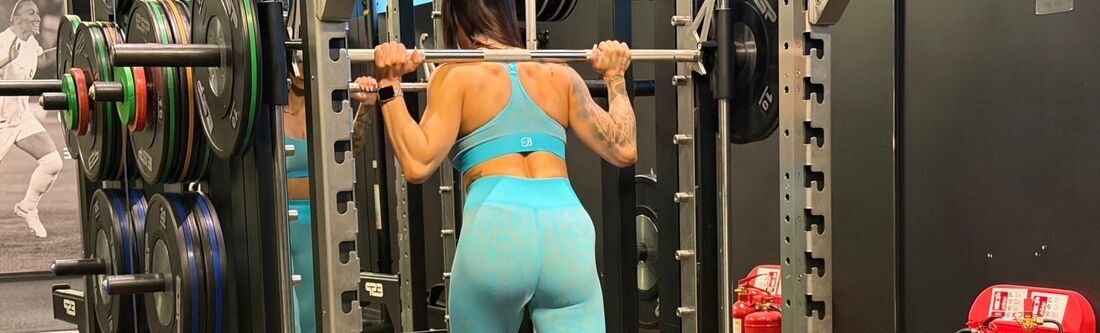
If there is one exercise that belongs in every training programme from beginners to bodybuilders, it is the squat. Simple, powerful, and highly effective, the squat is the king of lower-body movements. Whether your goal is strength, fat loss, mobility, or total-body transformation, squats deliver results you can see and feel.
Here are seven powerful benefits of squats, plus exactly how to do them, how often, and why they are essential for anyone who wants a stronger, healthier, more athletic body.
1. Squats Build Serious Strength
Squats activate multiple major muscle groups at once: quadriceps, hamstrings, glutes, and the core. This creates significant strength gains, improving your ability to lift heavier, run faster, and perform better in all sports and physical activities.
2. They Increase Muscle Size Quickly
If you want more powerful legs, stronger glutes, and a more developed core, squats are ideal. When performed correctly and progressively, they create a strong anabolic stimulus that leads to visible lean muscle growth.
3. Squats Support Fat Loss
Squats burn more calories than many other exercises because they engage so many muscles simultaneously. This elevates your metabolism long after your workout, helping you burn more fat throughout the day.
4. They Strengthen the Core Better Than Sit-Ups
Squats require your core muscles to stabilise your entire body under load. This improves balance, posture, and overall stability. A strong core reduces injury risk and enhances performance in almost every movement.
5. Squats Improve Mobility and Flexibility
Controlled, deep squatting increases the flexibility of your hips, ankles, and lower back. This helps alleviate stiffness, improves your movement throughout the day, and reduces the likelihood of aches and pains.
6. They Increase Natural Hormone Production
Squats stimulate the release of GH and testosterone. These hormones play key roles in muscle growth, fat burning, recovery, and overall vitality. This is one reason why squats are included in serious mass-building routines.
7. Squats Strengthen Joints and Bones
By applying controlled, progressive stress to your lower body, squats improve bone density and strengthen the connective tissues around the knees, hips, and ankles. This helps prevent injuries and supports long-term joint health.
How to Do a Proper Squat
-
Stand with your feet shoulder-width apart and your toes slightly turned out.
-
Brace your core as if someone is about to poke your stomach.
-
Push your hips back, as though you are about to sit down.
-
Lower your body under control until your thighs are parallel to the floor or lower.
-
Keep your chest up and your back in a neutral position.
-
Push through your heels and squeeze your glutes as you return to standing.
-
Inhale on the way down and exhale as you rise.
If you are new to squats, start with bodyweight only. Once you feel comfortable, progress to dumbbells or a barbell.
How Often Should You Squat?
The right frequency depends on your goals.
Beginners
Two to three times per week
Three to four sets of 10 to 15 repetitions
Strength
Two times per week
Four to six sets of three to six repetitions with heavier weight
Muscle Growth
Two to three times per week
Four to five sets of six to twelve repetitions
Fat Loss and Conditioning
Two to four times per week
A combination of higher repetitions, controlled tempo work, or circuit training
Consistency is the key to results. When squats become part of your routine, your strength and body composition improve rapidly.
What Squats Help With
Stronger legs
More muscle mass
Better posture and stability
Higher calorie burn
Improved athletic performance
Better mobility
Increased bone and joint strength
A more athletic and sculpted physique
Squats are not just another exercise. They are a fundamental movement that can transform your body and performance. Train them regularly and you will build strength, confidence, and a more capable body for life.